
- How a Virtual Mailbox in Houston Works
- Texas Rules: LLCs, the IRS, and Registered Agents
- What a Virtual Mailbox Costs in Houston
Q: What’s a virtual mailbox in Houston?
A: A virtual mailbox Houston is a real Houston street address, staffed by a mail-handling business, that receives your postal mail, scans it, and shows it to you online. You choose what gets opened, forwarded, or shredded without needing to go to the location.
A virtual mailbox in Houston gives a business a real Texas address without the cost of an office or the exposure of using a home address. Mail arrives at a staffed commercial location, gets scanned, and shows up in an online dashboard that you can check from anywhere.
For a Texas Limited Liability Company (LLC) that operates remotely, a virtual mailbox in Houston solves two problems at once: where the mail goes, and what address goes on your paperwork.
A virtual mailbox isn’t a PO box; it has clear strengths and a few limits, but both matter when you’re forming an LLC or opening a bank account in the state.
This guide covers how a Houston virtual mailbox works, and how to set one up the right way.
How a Virtual Mailbox in Houston Works
A virtual mailbox in Houston begins with having a physical address at a staffed commercial building in Houston, who’ll receive your mail, photograph each envelope, and upload the images to your account. Instead of driving across town to visit a physical location or mailbox, you review all your mail online.
The flow is simple: receive, scan, decide. You open the dashboard, see what arrived, and pick an action for each item.
A virtual mailing address is a Commercial Mail Receiving Agency (CMRA), under U.S. Postal Service (USPS) rules. This sets it apart from a Post Office Box (P.O. Box).
CMRA vs. P.O. Box
A P.O. Box is a locked compartment inside a post office. It takes USPS mail only and reads as a box number, which means that many banks and state agencies won’t accept it as a business address.
Meanwhile, a CMRA is a staffed street address. It receives mail and packages from USPS and from private carriers like UPS and FedEx, and it presents as a normal suite address.
Here’s a breakdown of the differences between the two:
Uses and Limits
A virtual mailbox handles the mail-and-presence side of a business: receiving correspondence, reading it from anywhere, and listing a credible Houston address on your site and filings. It works well for remote operators, home-based owners, and anyone who wants their home address off public record.
It’s not built for walk-in customers and won’t stand in for a warehouse or storefront. If your model depends on foot traffic, a virtual mailbox alone won’t carry it.
Read More: Virtual address vs. registered agent: what to know
Texas Rules: LLCs, the IRS, and Registered Agents
Texas ranks second nationally for number of small businesses, having 3.5 million small businesses with 5.1 million small business employees, according to the U.S. Small Business Administration. Many of those businesses run without a traditional office.
You can generally list a commercial virtual address as your business or principal address on Texas LLC filings. The Internal Revenue Service (IRS) accepts a real street address for filings and correspondence, and a CMRA address qualifies. Businesses commonly use it as their mailing address on federal forms and on the Employment Identification Number (EIN) application.
However, a virtual mailbox isn’t a Texas registered agent. That’s an important distinction.
Texas requires every LLC to name a registered agent with a physical street address in the state who is available during business hours to accept service of process. A mail-scanning address doesn’t fill that role on its own, so treat the registered agent as a separate requirement.
USPS offers P.O. Boxes and Informed Delivery, which emails you grayscale images of the outside of incoming letters. But this isn’t the same as a virtual mailbox, run by a private CMRA, which lets you open, forward, or shred each piece.
Read More: Virtual Business Address for an LLC
What a Virtual Mailbox Costs in Houston
The cost of a virtual mailbox in Houston depends on what you’re buying. A bare digital mailbox that only scans envelope exteriors sits at the low end.
A real, staffed Houston address that you can also use for meetings and that reads as a business location costs more, because you pay for the location and the service, not just the scan.
Here’s how the pieces usually break down per month:
The included-versus-add-on split is where the real number lands. Base plans cover a set volume of scans and online management, and forwarding adds postage on top.
A business that forwards a lot of physical documents will spend more than the sticker price suggests.
Why Houston Businesses Use One in 2026
Houston is one of the busiest formation markets in the country. In 2023, Harris County recorded 92,970 business applications, the most of any county in Texas, per the U.S. Chamber of Commerce. In Texas, over 500,000 new business applications were recorded that same year.
A lot of those founders work from home and run their business without a storefront. But this is where privacy comes in. When you register a business, your listed business address becomes public, so putting your home on the record exposes where you live and invites unwanted mail.
Mail security is a real risk too, with check fraud climbing alongside it. A monitored commercial address keeps your mail out of an unattended home box. A Houston virtual mailbox is often the cleanest way to look established while keeping your home address private.
Unlock Our Current Virtual Office Offers
Enter your email below and we’ll send you the latest available promotions and monthly specials for Virtual Offices, Meeting Rooms, and Live Receptionists.
Houston Locations You Can Use as Your Address
Each address below sits inside a real, staffed building with mail handling and meeting rooms on site. The district you pick changes how the address reads to your clients.


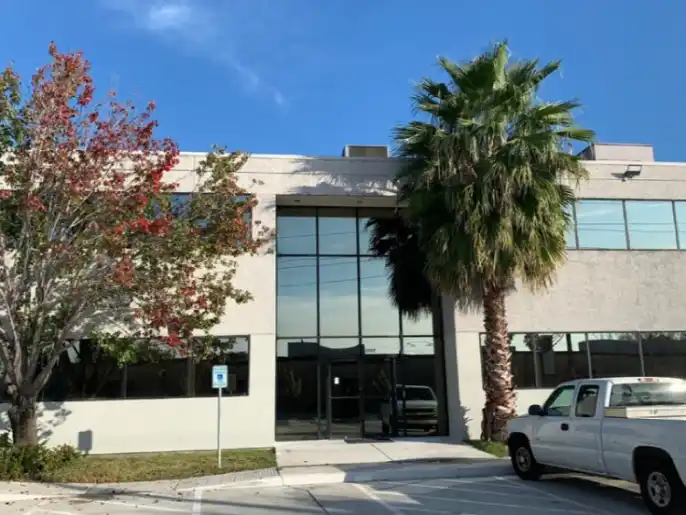


How to Set Up a Virtual Mailbox in Houston
Setting up a virtual mailbox in Houston is easy when done in the right order. Here's a step-by-step of how to set one up:
- Choose your Houston address. Pick a location that fits how you want the business to read, from a downtown suite to a city central address.
- Select a plan. Match scan volume and forwarding options to how much mail you actually receive and avoid buying scans you won't use.
- Complete USPS Form 1583. Provide two valid forms of IDs and get the USPS Form 1583 notarized. Many providers offer online notarization to speed this up.
- Verify your identity and activate. Once the form clears, your Houston address goes live, and mail starts routing to your dashboard.
- Update your records. Change the address on your Texas filing, EIN, website, invoices, and key accounts.
A Quick Provider Checklist
Before you commit to a virtual mailbox provider, confirm the essentials with them, including the following:
- The address is at a real staffed location rather than a rented box wall
- The virtual mailbox plan covers the scanning and forwarding volume you need
- You can book meeting space there if a client wants to meet in person
It's also worth confirming your bank's stance on virtual mailboxes, since banks set their own policies and many, though not all, accept a commercial CMRA address for a Houston business account.
NEXT STEPS: Browse Houston virtual office plans
Setting Up Your Houston Virtual Mailbox the Right Way
A virtual mailbox in Houston gives you a credible Texas address, keeps your home off public record, and lets you manage your mail online from anywhere. For remote and home-based founders, that's a practical way to run a business in one of the country's fastest-growing markets.
Keep the limits in mind. Complete USPS Form 1583 so the arrangement is legitimate, name a separate Texas registered agent with a physical in-state address, and confirm your bank's address policy before you rely on it. Handle those three, and the address will serve the business well.
Alliance Virtual Offices operates staffed Houston locations that pair a real business address with mail handling and on-site meeting rooms you can book by the hour. That combination helps the address hold up as a genuine business presence rather than a mail drop.
When you're ready, compare Houston locations and plans and start on your own timeline.
Frequently Asked Questions
Does Texas allow a virtual address for an LLC?
How much does a virtual mailbox cost per month?
Does the IRS accept a virtual mailbox?
Does USPS offer a virtual mailbox?
Can I use a virtual mailbox address for my Houston business banking?
Further Reading